Crescent City Neighborhood Matchmaker: 5 Areas for 5 Different Lifestyles
Picking the right neighborhood in Crescent City isn't just about finding a house you like—it's about choosing the rhythm you want for your days. Some buyers want to hear the ocean at night, others want quick access to trails, and plenty of people simply want an easy, practical home base close to everyday essentials. The good news: Crescent City, California, offers several distinct "micro-lifestyles" within a compact coastal town. Here are five neighborhood vibes to consider, matched to five different ways of living.

1) Harbor & Coastal Core: For the ocean-first everyday
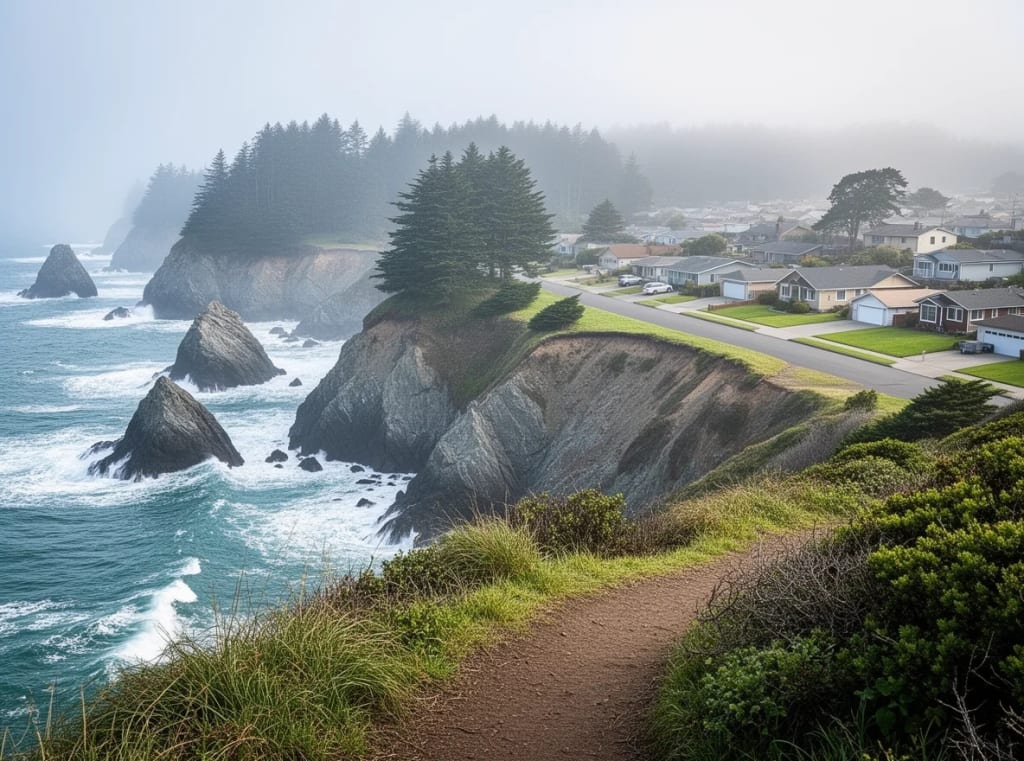
If your ideal week includes salt air, foggy mornings, and sunsets that never get old, look toward areas closest to the harbor and shoreline. This part of town tends to feel distinctly coastal—more seabirds overhead, more evening walks that naturally drift toward the water, and a stronger sense that the ocean is a daily companion rather than an occasional destination.
Homes near the coast can vary from older cottages with character to more updated properties that emphasize easy maintenance and indoor-outdoor living. The tradeoff is real: marine air can be hard on exterior materials, so buyers should pay close attention to siding condition, window seals, and any signs of moisture intrusion. If you love the location, the smartest move is often choosing the house with "good bones" and a sensible plan for ongoing upkeep rather than expecting perfection from day one.
On the lifestyle side, you'll likely appreciate being closer to waterfront viewpoints and the town's maritime energy. For many residents, that sense of place—boats, working harbor scenery, and the ever-changing ocean—is the whole point of living in Crescent City.
2) Elk Valley & Smith River Road corridor: For space, quiet, and a little breathing room
Prefer a softer pace and a bit more elbow room? The Elk Valley direction and the corridor toward Smith River can feel more open and residential, with a calmer, less "in-town" atmosphere while still keeping conveniences within a reasonable drive. This is a popular match for buyers who want a yard, room for hobbies, or a buffer from busier streets.
Properties here may offer larger lots, more privacy, and a greater sense of separation between neighbors. It's also a good fit if you're the type who enjoys weekend home projects—gardens, workshops, storage for outdoor gear—without feeling squeezed. Pay attention to drainage patterns and grading, especially on lots that sit low or back up to natural areas; coastal rain is part of the package, and how water moves across a property matters.
For households balancing multiple needs—work-from-home space, pets, and frequent visitors—this "room to spread out" lifestyle can be the difference between simply owning a home and truly settling in.
3) Redwood-adjacent neighborhoods: For trail time, shade, and year-round green
Crescent City's proximity to redwood country is a major draw, and some neighborhoods feel especially aligned with that forested, outdoorsy identity. If your ideal Saturday starts with a drive under towering trees and ends with a quiet evening at home, consider areas that keep you closer to trail access and scenic routes.

These pockets can feel cooler and quieter, with more tree cover and a "tucked in" ambiance. Buyers often like the sense of retreat while still being able to reach schools, groceries, and appointments without major logistics. If you're sensitive to light levels, note how mature trees can impact sun exposure—great for summer comfort, but something to evaluate if you want a sunny garden or rely on natural light indoors.
From a home standpoint, expect to be mindful about roof moss, gutter maintenance, and ventilation. Tree-lined streets are beautiful, but they come with practical considerations. A little prevention—routine roof checks, proper drainage, and good airflow—goes a long way in keeping a forest-adjacent home comfortable and resilient.
This lifestyle shines for anyone who wants recreation to be effortless. When the outdoors is close, you tend to use it more—quick walks become a habit, and weekends feel bigger.
4) In-town convenience zones: For errands, school runs, and "everything within reach"
Some buyers don't want to spend their free time driving. If you're juggling work, school schedules, activities, or caregiving, a more central in-town location can make daily life smoother. These areas typically offer quicker routes to services, community facilities, and the practical pieces of living that add up to real comfort.
Housing stock in central neighborhoods can be a mix of eras and styles, which is great for buyers who enjoy options. You'll see everything from classic mid-century footprints to smaller homes that make smart use of space. If you're open to cosmetic updates, this can also be where you find "value with potential"—a home that's structurally solid but ready for a refresh.
When evaluating in-town properties, look for the kind of improvements that matter most: updated electrical panels, well-maintained roofs, efficient heating, and thoughtful layouts. Cosmetic updates are often the easiest part; the hidden systems are what protect your budget long-term.
Community character here tends to feel neighborly and active—more casual greetings, more short trips, and a stronger sense of being connected to local life.
5) Newer pockets & remodeled gems: For turnkey comfort and low-maintenance living
If you want a home that feels ready on day one—clean lines, modern finishes, and fewer immediate projects—focus on newer-built pockets or neighborhoods where remodeling has been common. This lifestyle is ideal for buyers who would rather spend weekends exploring the coast than managing a renovation timeline.
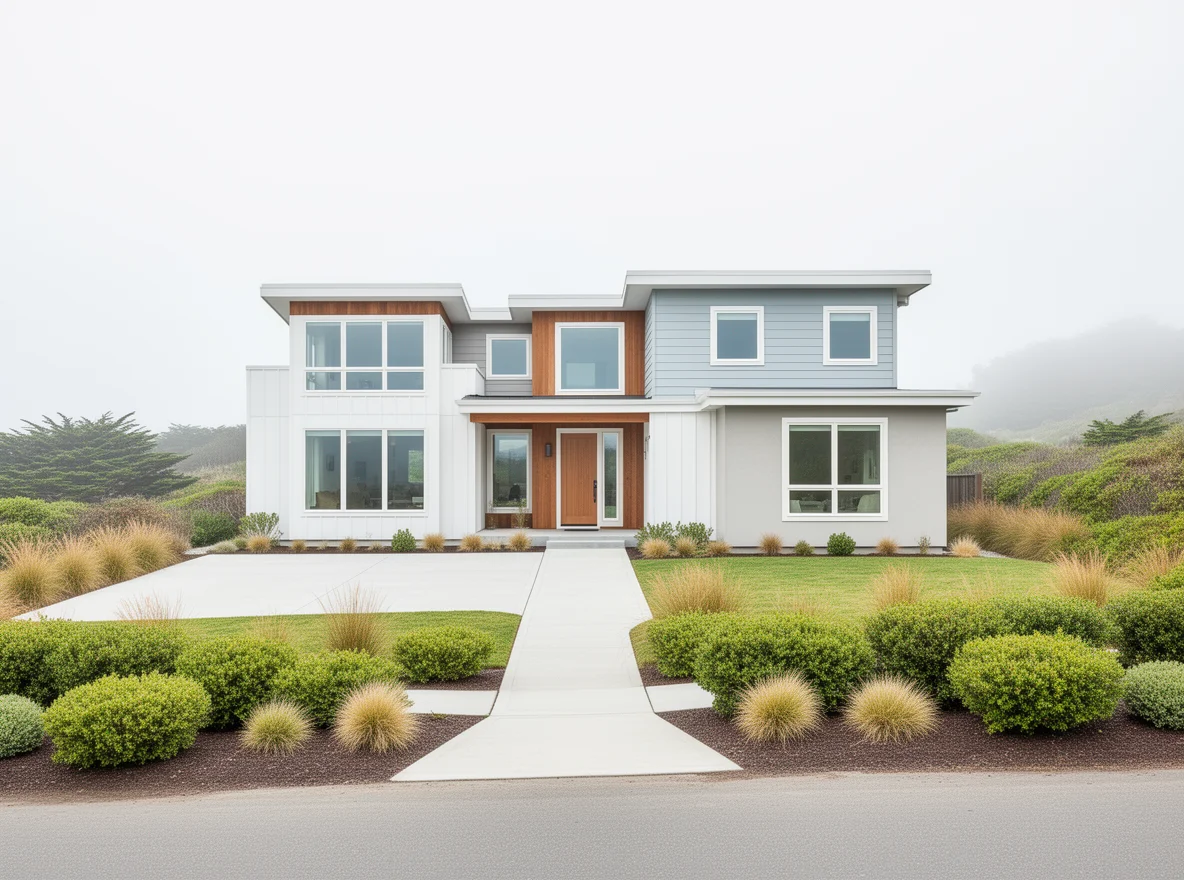
Turnkey doesn't mean "ignore the details," though. In coastal climates, materials and workmanship matter. Updated windows, properly flashed roofs, good ventilation, and moisture-aware construction choices can make a noticeable difference in comfort and maintenance. If a home has been remodeled, it's worth asking what was updated, who did the work, and whether permits were pulled when appropriate.
This is also a strong match for buyers who value predictable costs. Fewer immediate repairs can make budgeting simpler, especially when you're also planning for moving expenses and the normal start-up costs of homeownership.
What to watch for in Crescent City real estate (no matter the neighborhood)
Across Crescent City, the "right" home is often the one that matches your priorities and respects the environment. Coastal air, seasonal rain, and tree cover all influence how a property ages. A smart buyer looks beyond paint colors and asks practical questions: How does water drain away from the home? What's the condition of the roof and gutters? Are the windows sealed well? Is there any sign of past moisture issues?
This is also where the right guidance pays off. At RE/MAX Coast and Country, Rashell Parkinson brings a construction and remodeling background that helps buyers and sellers evaluate not just what a home is today, but what it could become. That perspective is especially valuable in a market where some properties shine as-is, while others are best approached with a clear, realistic improvement plan.
Ultimately, Crescent City rewards people who choose intentionally. Match your neighborhood to your lifestyle—ocean proximity, space and quiet, redwood access, in-town convenience, or turnkey comfort—and the town starts to feel less like a place you moved to and more like a place you belong.