

Gold Beach Pricing Reality Check: What Drives Value Street by Street
Real estate in a coastal town rarely behaves like a neat spreadsheet—and Gold Beach is a perfect example. Two homes can look similar online, share the same bed/bath count, and even sit within a few blocks of each other, yet land at very different price points. That isn't "random"; it's the market responding to micro-location details that locals recognize instantly. If you've been wondering why one street feels like a bargain and another commands a premium, this reality check will help you read the map the way buyers do.

Street-by-street pricing is shaped by a mix of view corridors, wind exposure, road noise, slope, and how "easy" daily life feels from that address. In Gold Beach, proximity to the ocean can raise value, but so can being tucked just far enough away to avoid heavier weather and salt air. A home perched a little higher may capture water views and sunsets; another, a few streets over, may trade the view for calmer conditions, a more level driveway, or a quicker route to services.
Then there's the reality of coastal topography. A lot that looks generous on paper might be steep, terraced, or require retaining work—details that affect both insurance and long-term upkeep. Buyers often pay more for the address that feels "turn-key" from a practical standpoint: straightforward access, manageable landscaping, and no surprise drainage issues after a winter storm.
Finally, remember that value isn't only the home; it's the experience. Walkability to a river viewpoint, the feel of neighboring homes, and the sense of privacy can all push demand up (or down). When multiple buyers compete for the same lifestyle, pricing follows.
The "Gold Beach Premiums" Buyers Pay For
Even within the same general area, certain characteristics consistently influence what buyers are willing to pay. Here are the most common premiums that show up in pricing patterns:
- Protected views: Not just "a view," but a view that's unlikely to be blocked by future growth due to lot placement, elevation, or setbacks.
- Sun and wind balance: Homes that capture light while avoiding the strongest coastal winds often feel more comfortable year-round.
- Access and parking: A wide driveway, garage usability, and easier turnarounds matter more than many sellers expect.
- Quiet and privacy: A home can be close to amenities and still feel tucked away—those combinations are in demand.
- Low-maintenance exteriors: Materials and construction quality matter on the coast, where salt air and moisture test every surface.
One important note: condition isn't only cosmetic. New floors and fresh paint are great, but buyers also look hard at roofs, windows, drainage, siding, and deck integrity. That's where an agent with a construction/remodeling background can add real value—helping you separate "easy upgrades" from projects that can quietly change the math.
Why Similar Homes Price Differently Just a Few Blocks Apart
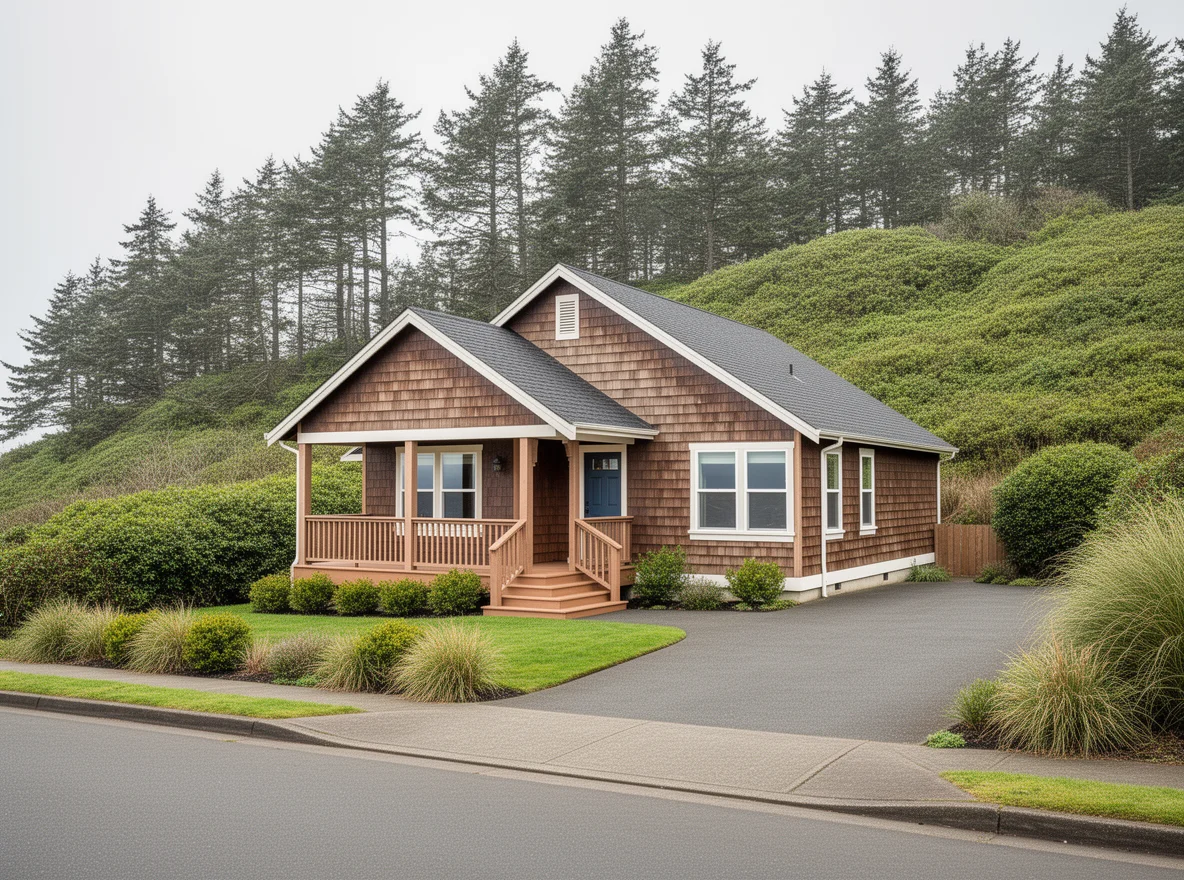
In Gold Beach, micro-location can be as influential as square footage. A home on a street with more consistent sun exposure can feel warmer and brighter, which buyers notice the moment they walk in. Another property with the same layout might sit in a foggier pocket, or face prevailing winds that make outdoor spaces less enjoyable. Those differences show up in how long homes take to sell—and ultimately where they land on price.
Topography is another quiet driver. Streets with gentler grades and better drainage tend to attract a broader set of buyers, including those who want easy access in all seasons. A steeper lot can still be desirable, especially with views, but the buyer pool narrows if parking is tight or if stairs dominate the daily routine. That narrower pool often translates to more price sensitivity.
And don't underestimate infrastructure and "feel". Well-kept neighboring properties, consistent lighting, and a sense of cohesion can raise the perceived quality of a block. Meanwhile, a street that sees more through-traffic, has tighter setbacks, or feels more exposed can soften demand—even when the home itself is beautiful.
Condition vs. Potential: The Remodel Math That Changes Value
A pricing reality check wouldn't be complete without talking about remodeling—because in a coastal market, "potential" can be either a golden opportunity or a costly surprise. As part of RE/MAX Coast and Country's local focus on the Southern Oregon coast, Rashell Parkinson often helps buyers and sellers think through improvements with a practical lens: what adds livability, what adds resale appeal, and what simply adds cost without changing market perception.
Here's how value tends to respond to upgrades in this area:
- Health-of-home items first: Roof life, drainage, siding condition, decks, and windows often matter more than trendy finishes.
- Kitchen and baths still move the needle: Clean, functional updates help, especially when they align with the home's style and price tier.
- Layout fixes can be expensive: Opening walls and relocating plumbing can add value, but only if the neighborhood supports the higher price.
- Outdoor living is meaningful: A sheltered deck or patio can feel like an extra room—if it's built to handle the coastal environment.
If you're selling, the key is choosing improvements that buyers will trust and understand quickly. If you're buying, it's about knowing when a "deal" is truly a deal—and when it's discounted because the street, the site, or the scope of work limits the future upside.
Local Lifestyle Factors That Quietly Influence Pricing

Gold Beach appeals to people who want the Oregon coast without the constant bustle—more room to breathe, quick access to the Rogue River, and day-to-day convenience that still feels relaxed. Pricing reflects that lifestyle. Homes that make it easier to enjoy the outdoors—whether that means storing gear, rinsing off after a windy walk, or having a protected spot to watch the weather roll in—often earn stronger buyer interest.
Access to community essentials matters, too. Addresses that shorten errands, medical appointments, and school routines tend to perform well, especially for full-time residents. For buyers relocating from out of the area, the "how does life actually work here?" question becomes central: road conditions in winter storms, typical fog/wind patterns, and whether an address feels connected without being exposed.
Recreation influences demand, but it's not just about being close—it's about being close comfortably. The best-priced properties often strike a balance: near enough to enjoy the river, beaches, and trails, yet positioned to minimize maintenance, noise, and weather wear.
Putting It All Together: How to Price (or Buy) with Confidence
A street-by-street reality check is ultimately about replacing guesswork with local logic. If you're selling, your goal is to understand which features your block naturally commands a premium for—and which items you can improve to meet buyer expectations at that price point. If you're buying, the win is recognizing when a home is priced fairly for its micro-location, and when a "similar comp" isn't actually comparable because the street experience is different.
When you're ready to dig in, RE/MAX Coast and Country can help you look beyond the headline numbers. With a local Southern Oregon coast focus and a practical construction/remodeling perspective, Rashell Parkinson can help you evaluate what's driving value at a specific address—so you can make decisions that feel good now and still make sense years down the road.