

Harbor Relocation Playbook: 9 Questions to Answer Before You Move
Moving near a harbor sounds like simple math: salty air + sunsets + fresh seafood = happiness. But harbor life has its own rhythms—tides, wind, parking patterns, seasonal visitors, and even how mist and salt affect a home over time. Before you fall for the view, it helps to slow down and ask a few practical questions that protect your budget and your lifestyle. Think of this as your pre-move checklist for making a coastal decision you'll love long after the novelty wears off.
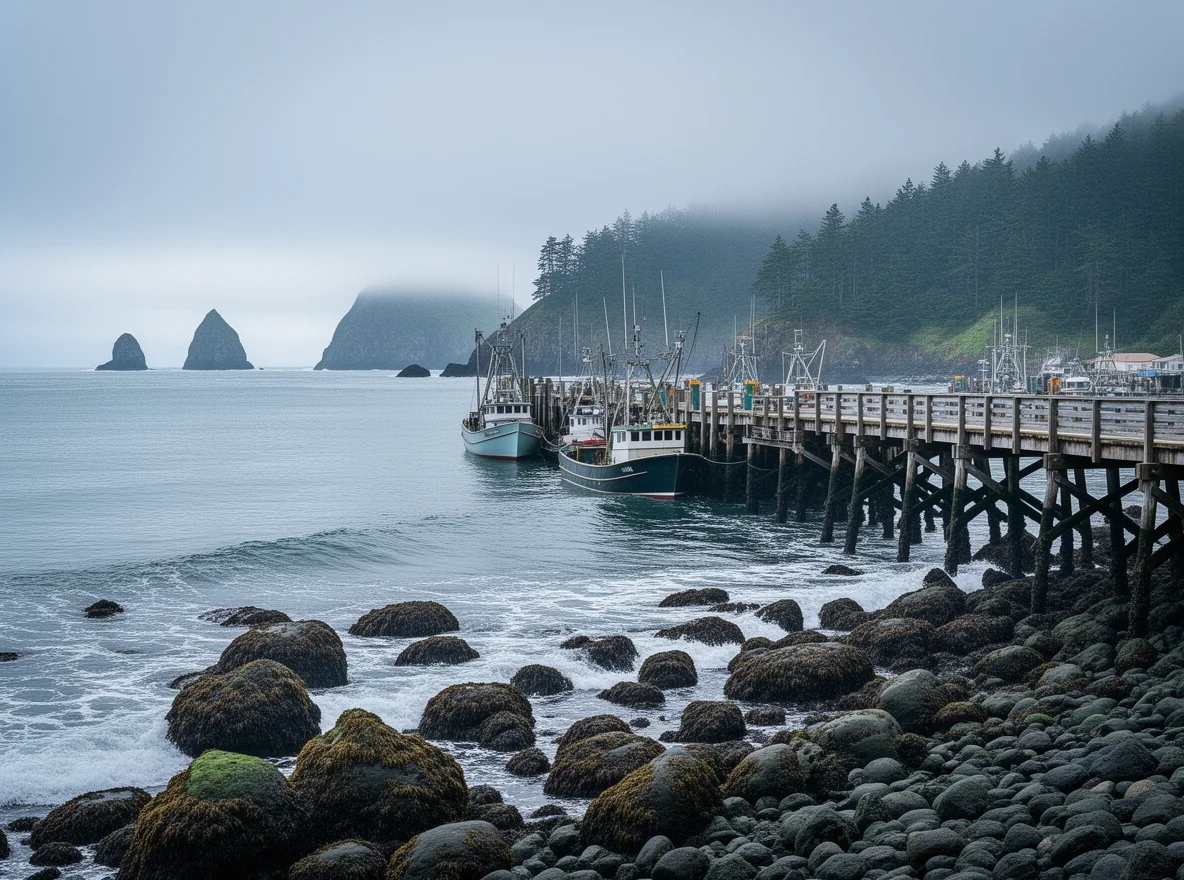
1) What does "harbor living" mean to you—quiet views or daily activity? Some people want a calm overlook where the water is part of the background. Others want to be close enough to hear rigging, watch boats depart, and feel the town wake up early. Start by picturing a normal Tuesday: Where do you park? How often do you walk the waterfront? Do you like the early-morning bustle or prefer a tucked-away street a few blocks back?
2) How windy, foggy, or salty is the microclimate on your street? Coastal weather isn't one-size-fits-all. A home on an exposed bluff can feel dramatically different from a place sheltered by trees or terrain. Salt air can speed up exterior wear, and persistent moisture can challenge paint, roofing, decks, and window seals. If you're touring, visit at different times of day and—if possible—during a breezier forecast, so you understand what "normal" feels like.
3) Are you buying for year-round living or a seasonal pattern? Harbor communities can have two personalities: off-season calm and peak-season energy. That shift impacts traffic, noise, short-term rental activity, and even how easy it is to get a table or find a quiet stretch for your evening walk. If you work remotely, consider internet reliability and whether the neighborhood stays peaceful when visitors arrive.
The Home Itself: Durability, Maintenance, and Hidden Costs
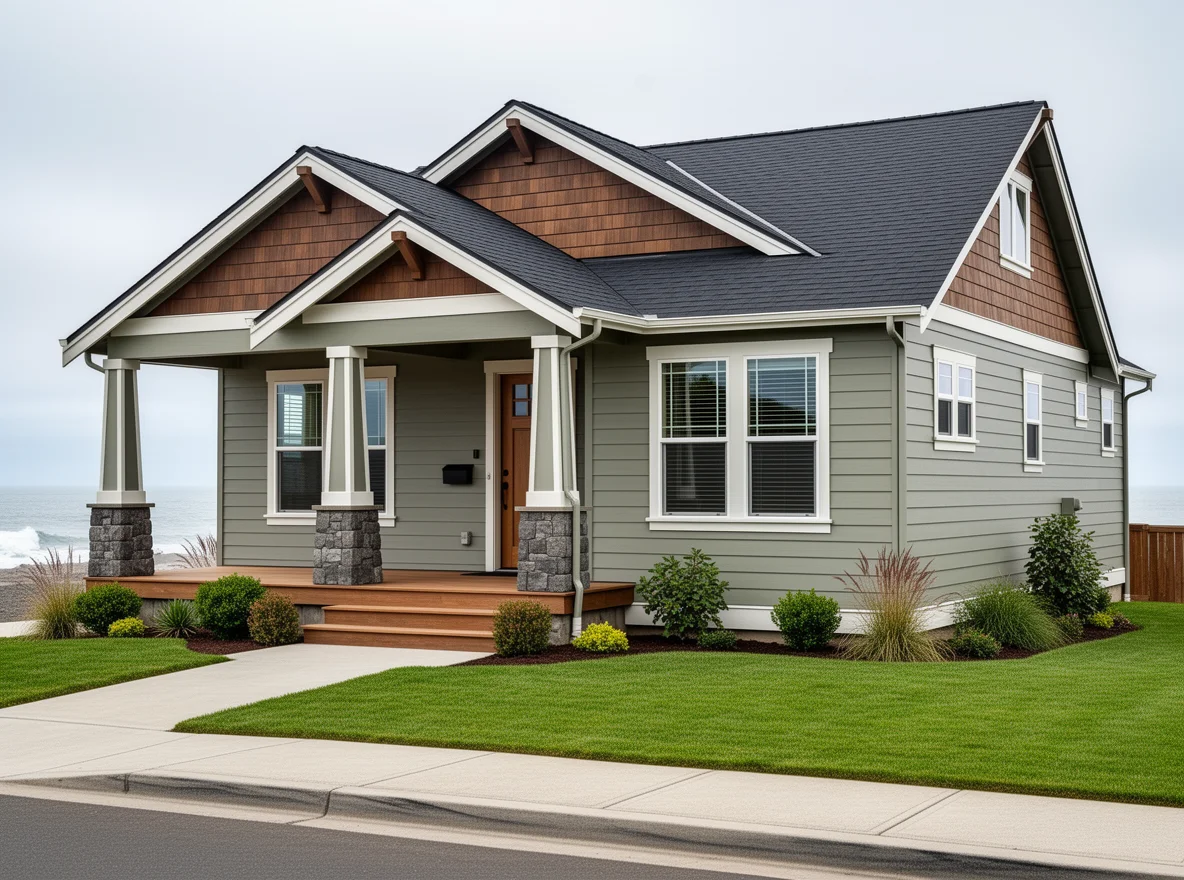
4) What materials are protecting the home from marine conditions? Near the water, the "bones" matter: corrosion-resistant fasteners, properly flashed windows, well-maintained roofing, and exterior finishes that can handle moisture and salt. This is where working with an agent who understands construction and remodeling can be a game-changer. At RE/MAX Coast and Country, Rashell Parkinson's background helps clients look beyond cosmetic updates and evaluate how a home is likely to perform—what's been done well, what might need attention, and what improvements could add real value.
5) What's your realistic maintenance appetite? A harbor-view deck is wonderful—until it becomes a weekend job every weekend. Ask yourself how you feel about rinsing exterior surfaces, checking caulking, repainting more frequently, and staying ahead of mildew. If you want "lock-and-leave" simplicity, you may prioritize newer builds, lower-maintenance siding, covered outdoor spaces, and landscaping that won't become a full-time hobby.
6) Are there insurance, drainage, or foundation considerations you need to price in? Even when a home isn't directly on the water, coastal rain, wind, and soil conditions can add variables. Look for thoughtful drainage, downspout routing, and signs of past moisture issues. Ask your insurance provider early for estimates so you're not surprised after you're emotionally attached to a property. And if you're comparing two homes at similar prices, the one with better site drainage and newer major systems may be the better long-term value.
Daily Life: Access, Amenities, and Your "30-Minute Radius"
7) How does the neighborhood function on a busy weekend? Harbor areas can attract events, charters, and seasonal visitors. That can be charming—community energy can be part of the appeal—but it also affects parking, traffic flow, and noise. When you're scouting, try a weekend drive-through and note where cars line up, where people gather, and how quickly you can get in and out. If you like to host guests, also consider where they'll park without turning every visit into a logistical puzzle.

8) Do your go-to essentials fit your routine—schools, healthcare, groceries, and recreation? The most satisfying moves happen when the day-to-day feels easy. If schools are part of your decision, map the commute time and consider how weather might change morning drives. If you love the outdoors, look for access to trails, coastal viewpoints, fishing, or nearby parks. And don't underestimate the value of convenience: a quick trip for groceries, an easy route to appointments, and reliable services can matter more than one extra degree of view.
9) What's your plan for the real estate market—now and later? Harbor-adjacent homes often carry a "location premium," but value isn't only about scenery; it's also about condition, usability, and future flexibility. Consider whether the layout works if your needs change, whether there's room for an office or guests, and what remodeling potential exists without over-improving for the neighborhood. In Southern Oregon coastal markets, small differences—sun exposure, wind shelter, street access, and lot drainage—can meaningfully affect enjoyment and resale.
A Practical Way to Use This Playbook
Bring these questions to every showing and take notes like you're comparing three strong options (even if you're secretly in love with one). A harbor move should feel inspiring, but it should also feel stable—financially and emotionally—when the weather turns, when summer crowds arrive, and when the home needs its next round of upkeep. If you want a second set of eyes on a property's true potential, working with a coastal specialist—especially one with a construction/remodeling lens—can help you choose a home that fits the view and the reality of living by the water.